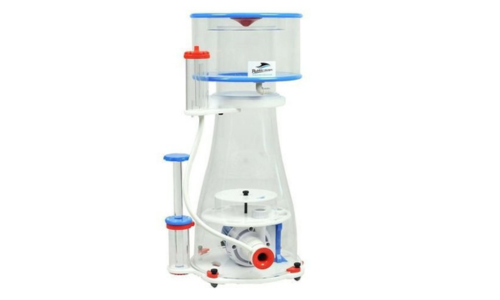
A protein skimmer, also known as a foam fractionator, is an important piece of equipment in both reef tanks and fish-only tanks. Its primary function is to remove organic compounds and other impurities from the water before they decompose and affect water quality. Here’s an in-depth look at its functions and whether a tank can do without one:
Functions of a Protein Skimmer
1. Removal of Organic Compounds
- Dissolved Organic Matter (DOM): Protein skimmers remove dissolved organic matter, including proteins, amino acids, fatty acids, and other organic compounds, from the water column.
- Preventing Decomposition: By removing these substances before they decompose, protein skimmers help prevent the formation of harmful compounds like ammonia, nitrite, and nitrate.
2. Oxygenation
- Gas Exchange: Protein skimmers enhance gas exchange by introducing fine air bubbles into the water, increasing oxygen levels and aiding in the removal of carbon dioxide.
- Improved pH Stability: Better gas exchange can help stabilize pH levels by preventing the buildup of carbon dioxide, which can lower pH.
3. Water Clarity
- Particle Removal: Skimmers remove small particulate matter from the water, leading to clearer water which enhances light penetration and benefits photosynthetic organisms like corals.
- Aesthetic Improvement: Clearer water also makes the tank more visually appealing.
4. Reduction of Algae Growth
- Nutrient Control: By removing organic compounds that can serve as nutrients for algae, protein skimmers help control algae growth in the tank.
Can a Tank Do Without a Protein Skimmer?
Reef Tanks
- High Bioload: Reef tanks typically have a high bioload due to the presence of fish, corals, and invertebrates. This makes efficient waste removal crucial.
- Water Quality: Maintaining pristine water quality is essential for the health of corals and other sensitive organisms.
- Alternative Methods: While it is possible to run a reef tank without a protein skimmer, it requires alternative methods of nutrient control, such as:
- Frequent Water Changes: More frequent and larger water changes can help remove excess nutrients.
- Refugiums: Using refugiums with macroalgae to absorb nutrients.
- Carbon Dosing: Adding carbon sources to promote bacterial growth that can consume excess nutrients.
- Advanced Filtration: Utilizing other forms of mechanical and chemical filtration, such as activated carbon, GFO (granular ferric oxide), and high-quality filter socks.
Fish-Only Tanks
- Lower Sensitivity: Fish-only tanks, particularly those without live plants or sensitive invertebrates, can be more forgiving in terms of water quality.
- Nutrient Control: Nutrient levels are generally easier to manage, and regular maintenance practices like water changes and mechanical filtration can suffice.
- Alternative Methods: As with reef tanks, fish-only tanks can employ alternative methods to manage waste, such as:
- Frequent Water Changes: Regular water changes to keep nitrate and phosphate levels low.
- Mechanical Filtration: Enhanced mechanical filtration to remove detritus and uneaten food.
- Biological Filtration: A robust biological filtration system to break down waste efficiently.
Conclusion
While protein skimmers are not strictly essential, they provide significant benefits in maintaining water quality and reducing the workload for tank maintenance. For reef tanks, they are highly recommended due to the sensitivity of corals and other invertebrates to water quality. For fish-only tanks, especially those with a lower bioload, a skimmer can still be very beneficial but is not as critical if alternative maintenance practices are consistently applied.
Ultimately, whether or not to use a protein skimmer depends on the specific needs of your tank, the bioload, and your ability to manage water quality through other means.
