admin
7 May , 2024
0 Comments
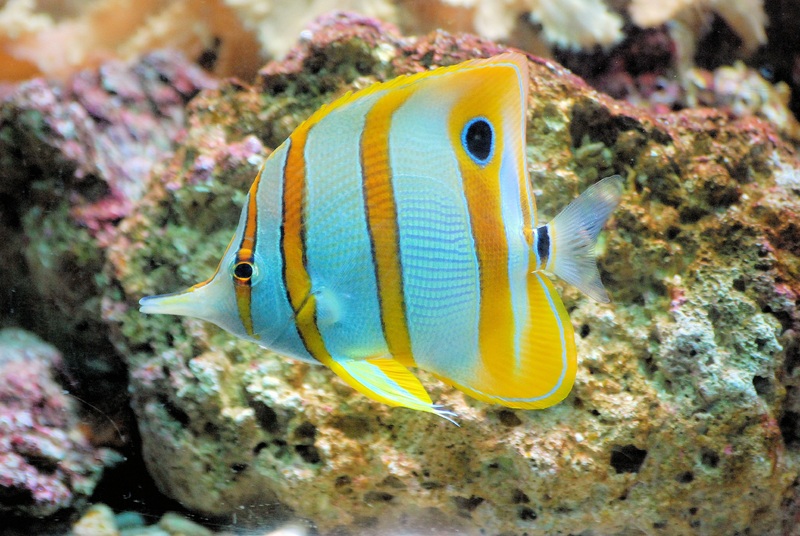
The copperband butterflyfish (Chelmon rostratus) is a beautiful and popular marine fish known for its striking appearance. However, its suitability for a reef tank can be a bit complex. Here are the key considerations:
Compatibility with Reef Tanks
- Diet and Feeding Habits:
- Natural Diet: In the wild, copperband butterflyfish primarily feed on small invertebrates, including worms, crustaceans, and coral polyps.
- In Captivity: They may accept prepared foods, such as mysis shrimp, brine shrimp, and specialized frozen foods, but can be finicky eaters. Ensuring they receive adequate nutrition can be challenging.
- Coral Safety:
- Potential Coral Nipping: Copperband butterflyfish are known to pick at various corals, particularly soft corals, LPS (large polyp stony) corals, and even some SPS (small polyp stony) corals. This behavior can harm the corals and stress other tank inhabitants.
- Aiptasia Control: One of the benefits of copperband butterflyfish is their appetite for aiptasia, a type of pest anemone that can overrun reef tanks. They can help control aiptasia populations effectively.
- Tank Conditions:
- Tank Size: A minimum of 75 gallons is recommended to provide enough space for the copperband butterflyfish to thrive.
- Water Quality: As with all marine species, maintaining pristine water quality is essential. Copperband butterflyfish are particularly sensitive to poor water conditions.
- Behavior and Temperament:
- Peaceful Nature: Copperband butterflyfish are generally peaceful and can coexist with a variety of other fish. However, they can be timid and may be outcompeted for food by more aggressive tank mates.
- Acclimation: They can be difficult to acclimate to captivity, often due to their specific dietary needs and sensitivity to stress.
Recommendations for Keeping Copperband Butterflyfish in a Reef Tank
- Careful Monitoring:
- Regularly observe the copperband butterflyfish for signs of coral nipping and ensure they are eating adequately. Providing a variety of foods can help meet their dietary needs.
- Coral Selection:
- If you choose to keep a copperband butterflyfish in a reef tank, consider focusing on corals that are less likely to be nipped at, such as certain types of SPS corals and some hardy soft corals.
- Supplementary Feeding:
- Supplement their diet with live or frozen foods that mimic their natural diet. Feeding stations or target feeding can help ensure they get enough to eat.
- Aiptasia Management:
- If aiptasia is a problem in your reef tank, the copperband butterflyfish can be a beneficial addition. However, be prepared to manage their interaction with other corals.
Conclusion
While it is possible to keep a copperband butterflyfish in a reef tank, it requires careful consideration and monitoring. Their tendency to nip at corals can be a concern, and they need a well-maintained environment with adequate food sources. If you are willing to invest the time and effort to meet their needs, a copperband butterflyfish can be a valuable and attractive addition to a reef tank. However, if coral health is a primary concern, you may want to consider other, more reef-safe species.
Bell on wharf in San Francisco
