admin
11 Apr , 2024
0 Comments
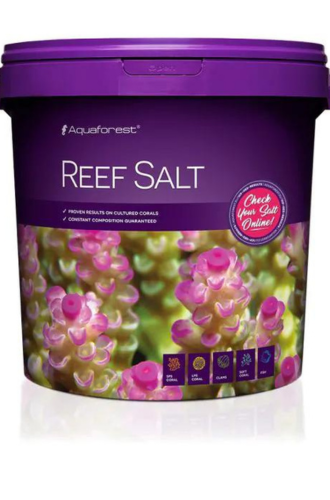
Choosing the right artificial reef salt is crucial for maintaining a healthy marine aquarium. Here’s what to look for in a good artificial reef salt and the recommended salinity for your tank:
Key Features of a Good Artificial Reef Salt
- Balanced Minerals and Elements:
- Calcium: Essential for the growth of corals and other invertebrates.
- Magnesium: Helps maintain the proper balance of calcium and alkalinity.
- Alkalinity (KH): Maintains pH stability and supports coral growth.
- Trace Elements: Includes iodine, strontium, and others vital for overall health.
- Purity:
- Look for salts that are free from nitrates, phosphates, and other contaminants which can fuel algae growth and harm aquatic life.
- Dissolvability:
- The salt should dissolve completely and quickly in water without leaving any residue, ensuring that all necessary elements are readily available for your marine life.
- Consistency:
- Choose a brand known for consistent quality and composition from batch to batch, which helps maintain stable water parameters.
- Reputation:
- Opt for reputable brands that have been tested and trusted by the aquarium community. Check reviews and seek recommendations from other aquarists.
Recommended Salinity
- Salinity Level: For a typical reef tank, the recommended salinity is between 1.023 and 1.025 specific gravity (SG), which corresponds to a salt concentration of 30-35 parts per thousand (ppt).
- Consistency: Maintain stable salinity levels to avoid stressing your marine life. Use a refractometer or hydrometer to regularly check and adjust salinity.
Popular Brands and Products
- Instant Ocean: Known for its reliability and widely used in the aquarium hobby.
- Red Sea Coral Pro Salt: Contains higher levels of calcium, magnesium, and other elements, making it ideal for coral growth.
- Tropic Marin: Offers a balanced mix of essential elements and trace elements, ensuring high-quality water for your tank.
- Fritz ProAquatics Reef Pro Mix: Designed for reef tanks with an emphasis on promoting coral growth and health.
Additional Tips
- Water Changes: Regular water changes with good quality salt help maintain optimal water conditions by replenishing essential elements and removing waste products.
- Mixing: Always mix saltwater thoroughly before adding it to your tank. Allow it to aerate for at least 24 hours to ensure complete dissolution and oxygenation.
- Storage: Keep salt in a cool, dry place to prevent it from clumping and to maintain its effectiveness.
By choosing a high-quality artificial reef salt and maintaining the proper salinity, you can create a thriving environment for your marine aquarium inhabitants.