admin
2 Apr , 2024
0 Comments
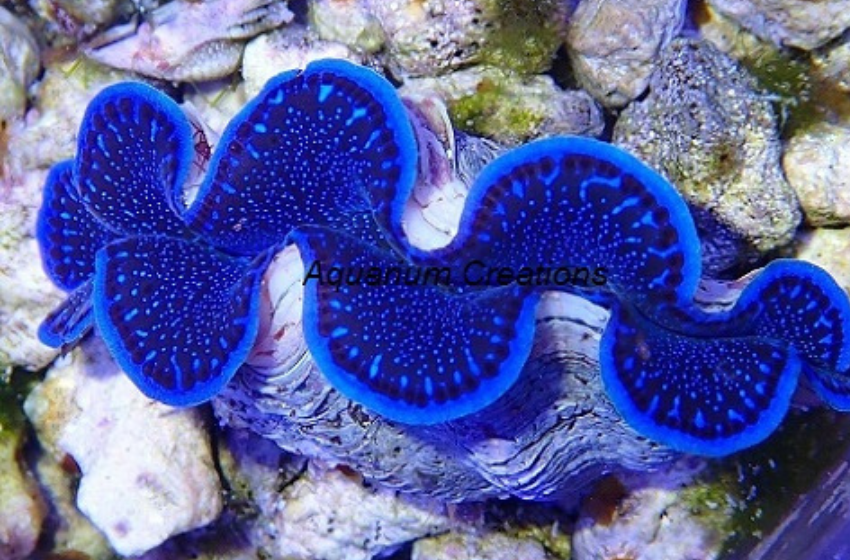
Keeping Tridacna clams in a marine aquarium can be rewarding but requires attention to specific conditions and parameters to ensure their health and well-being. Here are the key factors to consider:
Difficulty Level
Tridacna clams range from moderately difficult to challenging to keep, depending on the species and the aquarist’s experience. They require stable water conditions, strong lighting, and adequate calcium and other trace elements for their growth.
Ideal Conditions and Parameters
Tank Size
- Minimum Tank Size: At least 30 gallons for smaller species like Tridacna crocea. Larger species like Tridacna gigas may require significantly more space, with mature clams needing tanks of 100 gallons or more.
Water Parameters
- Temperature: 76-82°F (24-28°C)
- pH: 8.1-8.4
- Specific Gravity: 1.024-1.026
- Alkalinity: 8-12 dKH
- Calcium: 400-450 ppm
- Magnesium: 1250-1350 ppm
- Nitrate: Less than 5 ppm
- Phosphate: Less than 0.03 ppm
Lighting
- Intensity: Tridacna clams require strong lighting as they have symbiotic zooxanthellae algae in their tissues that need light to photosynthesize. Metal halides, T5 fluorescent, or high-quality LED lighting are recommended.
- Duration: A photoperiod of 8-12 hours per day.
Water Flow
- Flow: Moderate, indirect water flow is ideal. Too strong a flow can stress the clams and cause them to close frequently, while too little flow can lead to sediment accumulation on the clam.
Placement
- Positioning: Tridacna clams should be placed on a stable substrate. Smaller species like Tridacna crocea prefer being nestled into rockwork or on a sandy substrate, while larger species like Tridacna gigas are typically placed directly on the sand bed.
- Orientation: Ensure the clam is positioned so that its mantle (the fleshy part that extends out) receives ample light.
Feeding
- Photosynthesis: The primary source of nutrition for Tridacna clams is the photosynthetic activity of their symbiotic zooxanthellae algae.
- Supplemental Feeding: While adult clams can often rely entirely on light and dissolved nutrients, smaller and juvenile clams (under 2 inches) may benefit from supplemental feeding with phytoplankton or other fine particulate foods.
Monitoring and Maintenance
- Water Quality: Regularly test water parameters and perform consistent water changes to maintain optimal conditions. Use supplements to adjust calcium, magnesium, and alkalinity as needed.
- Observing Clams: Watch for signs of stress, such as excessive gaping, mantle retraction, or bleaching. Healthy clams will display an extended, vibrant mantle and respond to shadows by slightly retracting their mantles.
- Pest Control: Be vigilant for pests like pyramid snails, which can harm clams. Regular inspections and manual removal can help keep pests at bay.
Common Challenges
- Stable Parameters: Keeping water parameters stable is crucial for clam health. Fluctuations in pH, alkalinity, or calcium levels can stress clams and lead to health issues.
- Lighting Needs: Providing adequate lighting can be challenging, especially in deeper tanks or for species with higher light requirements.
- Sensitivity: Tridacna clams are sensitive to changes in their environment and water quality, making them less forgiving of mistakes compared to some other marine organisms.
Conclusion
Tridacna clams can be a stunning and fascinating addition to a marine aquarium, but they require specific conditions and consistent care to thrive. For aquarists willing to invest the time and effort to meet their needs, these clams can be a rewarding and beautiful part of a reef tank.
Audio shortcode:
