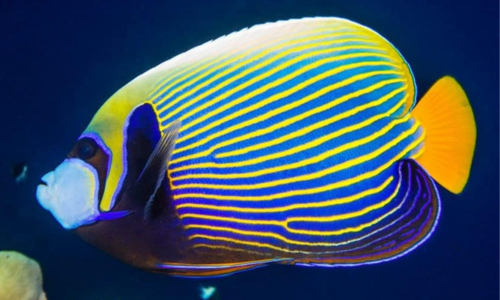
Emperor angelfish (Pomacanthus imperator) are stunning and popular marine fish, but their suitability for reef tanks is debated due to their natural behaviors and dietary preferences. Here’s a detailed look at whether they can be kept in a reef tank and the considerations involved:
Suitability for a Reef Tank
Potential Risks
- Coral Nipping:
- Dietary Preferences: Emperor angelfish naturally graze on sponges, tunicates, and coral polyps in the wild. In a reef tank, they are likely to nip at both soft and hard corals, potentially causing significant damage over time.
- Varied Appetite: Some emperor angelfish individuals may develop a taste for specific types of corals, while others might leave corals relatively unharmed. This variability makes their behavior unpredictable.
- Invertebrates:
- Threat to Inverts: Emperor angelfish may also pose a threat to small invertebrates such as shrimp, snails, and small clams. They might pick at or consume these inhabitants, which are common in reef tanks.
Ideal Conditions and Tank Requirements
If you decide to keep an emperor angelfish in a reef tank, consider the following guidelines to mitigate potential issues:
- Tank Size:
- Minimum Size: A large tank of at least 125 gallons is recommended to provide ample space for swimming and territory establishment. Larger tanks are preferable, especially as emperor angelfish can grow up to 15 inches (38 cm) in captivity.
- Aquascaping:
- Hiding Places: Provide plenty of rockwork and caves to give the angelfish places to hide and explore. This can help reduce stress and territorial aggression.
- Coral Placement: Place corals that the angelfish is less likely to nip at, such as certain types of SPS corals, higher up or in areas difficult for the fish to reach.
- Feeding:
- Diet: Offer a varied diet that includes marine algae, spirulina, mysis shrimp, and high-quality angelfish preparations that contain sponge material. Regular, ample feeding can help reduce the likelihood of the angelfish nipping at corals out of hunger.
- Feeding Frequency: Feed multiple times a day to ensure they are well-nourished.
- Coral Selection:
- Coral Types: Avoid delicate or expensive corals that are highly susceptible to nipping. Hardy corals like some SPS species may fare better than soft corals or LPS corals.
- Monitoring: Regularly observe the fish’s behavior towards the corals and be prepared to move or remove corals if the angelfish starts causing significant damage.
Summary
While emperor angelfish can be kept in a reef tank, doing so comes with risks and challenges. Their propensity to nip at corals and invertebrates can make them a problematic addition to a coral-rich environment. If you choose to keep one in a reef tank, ensure you have a large, well-aquascaped tank, select corals and invertebrates wisely, and maintain a varied and regular feeding schedule to minimize coral nipping behavior.
For a more predictable and reef-safe option, consider smaller angelfish species known to be less aggressive towards corals, such as some of the dwarf angelfish species like the coral beauty (Centropyge bispinosa) or the flame angelfish (Centropyge loricula), though even these can be hit or miss in terms of reef compatibility.
